Welcome to Natural Health Guide  Preventing Tuberculosis &  Alzheimer's

Alzheimers Disease Prediction and Prevention

TB Disease Prediction and Prevention

Scroll to Top

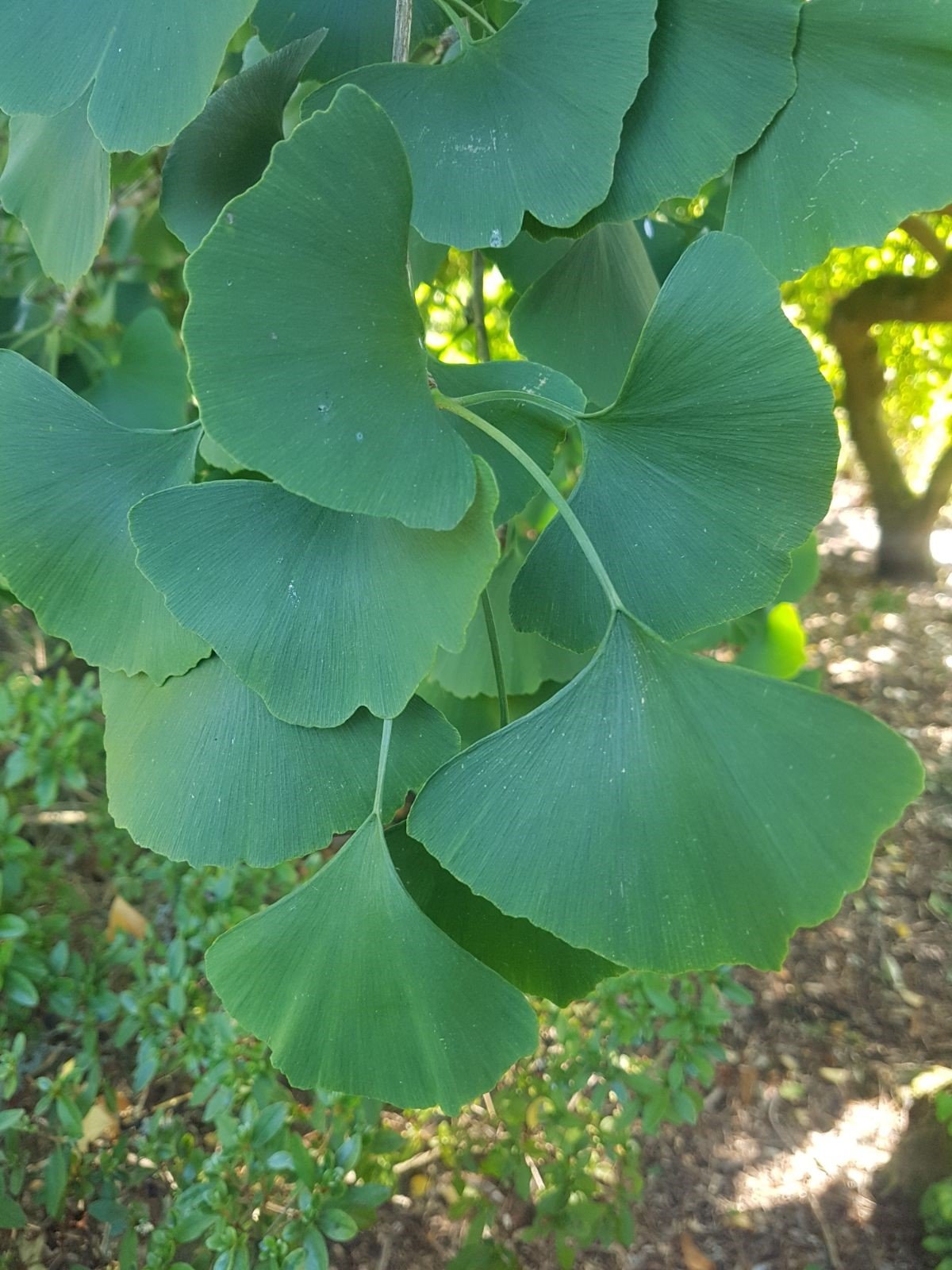
Ginkgo biloba is widely used as a natural supplement to support cognitive health, especially in conditions like Alzheimer’s disease. Its active compounds, including flavonoids and terpenoids, have powerful antioxidant and anti-inflammatory effects that help protect brain cells from oxidative stress and damage. Ginkgo is believed to improve blood circulation to the brain, enhancing oxygen and nutrient delivery, which may support memory, focus, and overall cognitive function. Some studies suggest it can help reduce symptoms of cognitive decline, such as confusion and difficulty concentrating, by modulating neurotransmitter activity and promoting neural plasticity. While not a cure, Ginkgo biloba is often used as a complementary therapy to help slow cognitive deterioration and improve quality of life in Alzheimer’s patients.

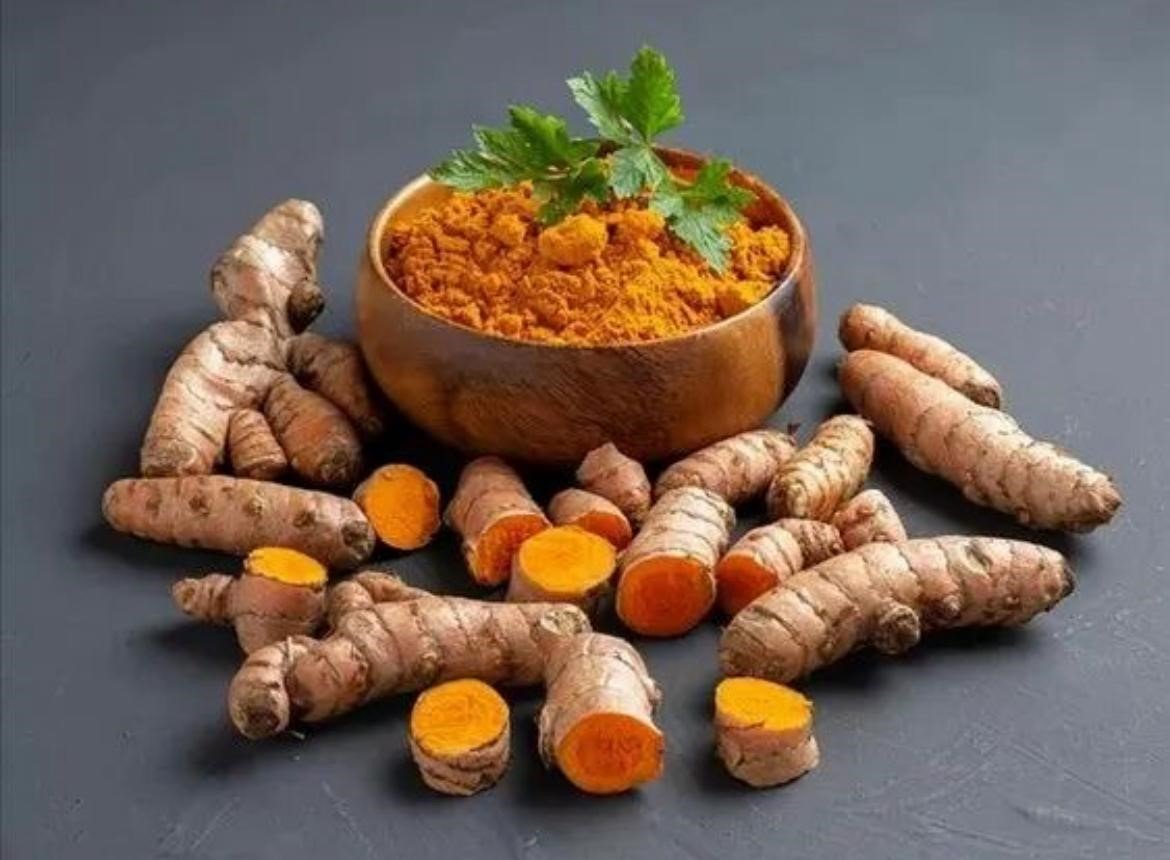
Turmeric (Curcumin):- Turmeric (Curcumin) is gaining attention as a potential aid in Alzheimer’s disease due to its strong anti-inflammatory and antioxidant properties. Curcumin, the active compound in turmeric, can cross the blood-brain barrier and help reduce the buildup of amyloid-beta plaques — a key factor in Alzheimer’s progression. It also inhibits oxidative stress and chronic inflammation, both of which contribute to neuronal damage. Curcumin may support brain health by promoting the clearance of toxic proteins and enhancing neurogenesis (the growth of new brain cells). While more clinical research is needed, regular consumption of turmeric or curcumin supplements shows promise in protecting against cognitive decline and improving symptoms like memory loss and mood disturbances in Alzheimer’s patients.

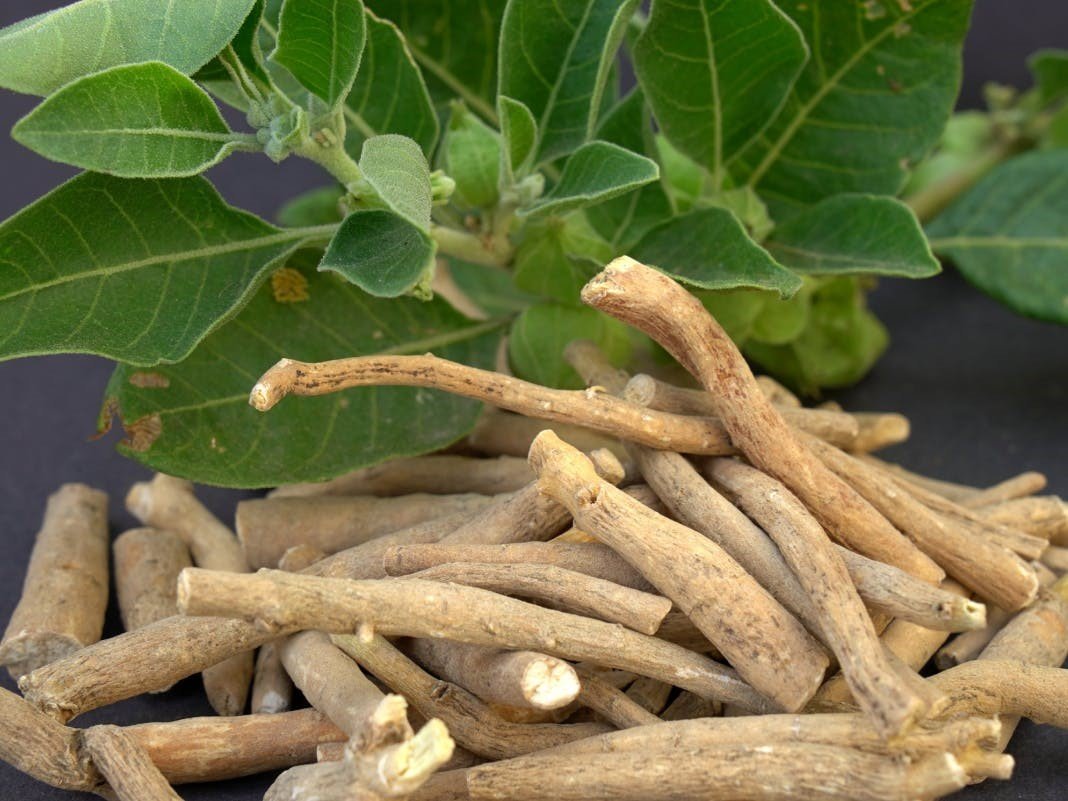
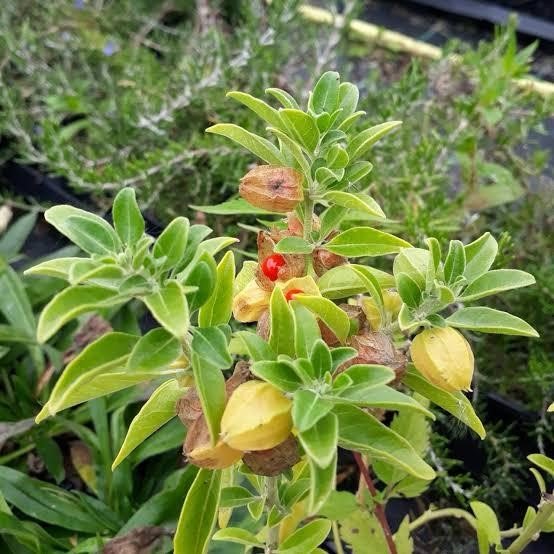
Ashwagandha (Withania somnifera) is a powerful adaptogenic herb that shows promise in supporting Alzheimer’s disease management by reducing neuroinflammation, oxidative stress, and beta-amyloid plaque buildup — all key contributors to cognitive decline. Research suggests that ashwagandha can promote neuronal growth and synaptic connectivity, potentially enhancing memory and cognitive function. It’s also known to regulate cortisol levels, helping to alleviate chronic stress, which can worsen Alzheimer’s symptoms. Additionally, ashwagandha’s antioxidant properties protect brain cells from damage, while compounds like withanolides may support nerve regeneration and delay neurodegeneration. These effects make it a valuable complementary therapy for preserving brain health and slowing Alzheimer’s progression.

Bacopa monnieri (Brahmi) is a well-known nootropic herb used to support brain health and cognitive function, making it a promising natural aid for Alzheimer’s disease. Rich in compounds called bacosides, it helps protect neurons by reducing oxidative stress, lowering inflammation, and preventing beta-amyloid plaque buildup — one of the hallmarks of Alzheimer’s. Bacopa also enhances neurotransmitter activity and promotes synaptic communication, which can improve memory, learning, and mental clarity. Studies suggest it may even support the brain’s natural repair mechanisms by encouraging neuronal regeneration. While it’s not a cure, regular use of Bacopa may help slow cognitive decline and improve overall mental function, offering a gentle, long-term boost to brain resilience.

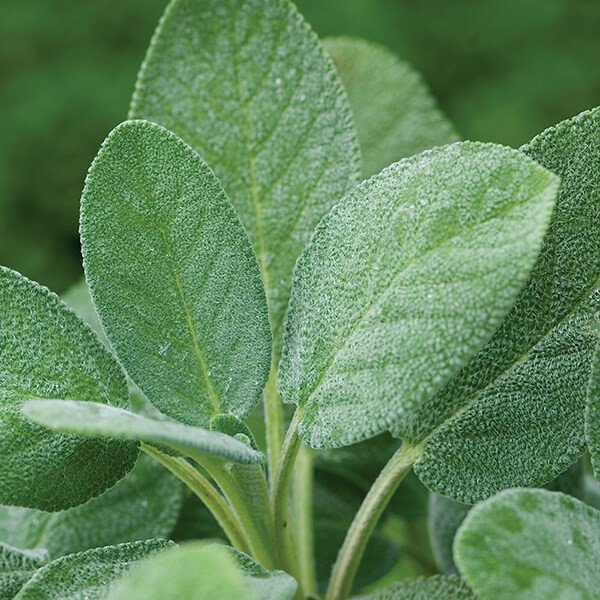
Sage (Salvia officinalis) is a powerful herb known for its cognitive-enhancing properties, making it a promising natural remedy for Alzheimer’s disease. Rich in antioxidants and anti-inflammatory compounds, sage helps protect brain cells from oxidative stress and may prevent damage linked to neurodegeneration. It’s particularly notable for inhibiting the enzyme acetylcholinesterase (AChE), which breaks down acetylcholine — a neurotransmitter crucial for memory and learning that is often deficient in Alzheimer’s patients. By preserving acetylcholine levels, sage can enhance cognitive function, improve memory retention, and even reduce symptoms like confusion and agitation. Clinical studies have shown that both sage extracts and essential oils can offer modest improvements in cognitive performance, making it a valuable herbal support for brain health.

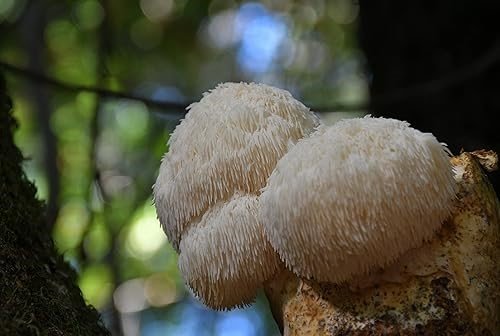
 Lion’s Mane Mushroom (Hericium erinaceus) is a remarkable natural remedy for brain health, showing promise in supporting Alzheimer’s disease management. It contains bioactive compounds like hericenones and erinacines, which stimulate nerve growth factor (NGF) production — essential for the growth, repair, and protection of brain cells. This mushroom’s neuroprotective effects may help slow cognitive decline by promoting neural regeneration and enhancing synaptic plasticity. Additionally, Lion’s Mane has anti-inflammatory and antioxidant properties that protect neurons from oxidative stress and reduce beta-amyloid plaque buildup, a key factor in Alzheimer’s progression. Some studies suggest it can improve memory, focus, and cognitive function, making it a valuable complementary therapy for preserving mental clarity and promoting long-term brain resilience

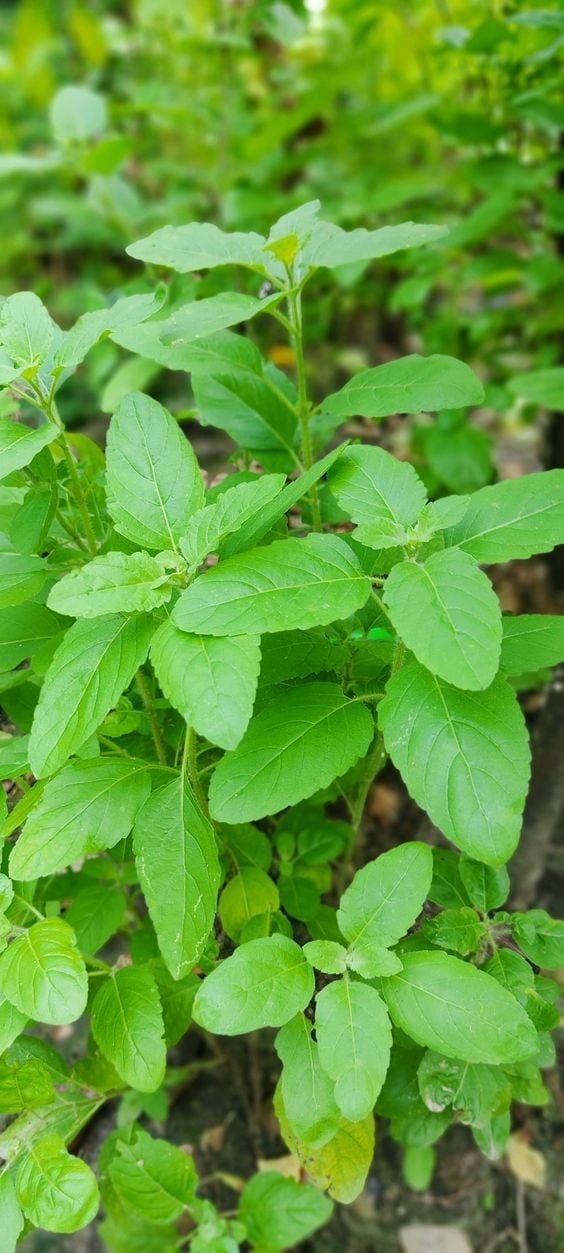
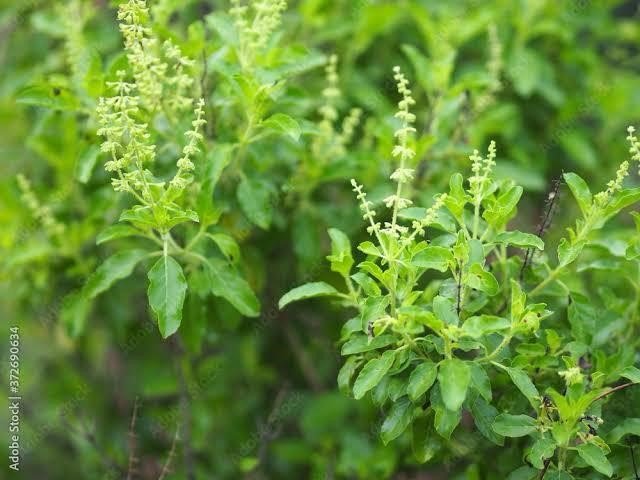
Holy Basil (Tulsi) is a powerful adaptogenic herb that may help protect the brain against cognitive decline in Alzheimer’s disease. Rich in antioxidants and anti-inflammatory compounds like eugenol and rosmarinic acid, Tulsi helps combat oxidative stress and neuroinflammation — both of which contribute to neuronal damage and memory loss. It’s also known to modulate stress hormones like cortisol, reducing chronic stress, which can accelerate brain aging. Some studies suggest that Tulsi enhances neurotransmitter balance and supports better cognitive function, potentially improving memory, focus, and mental clarity. By promoting overall brain resilience and reducing factors that drive neurodegeneration, Holy Basil serves as a gentle, holistic support for long-term brain health.

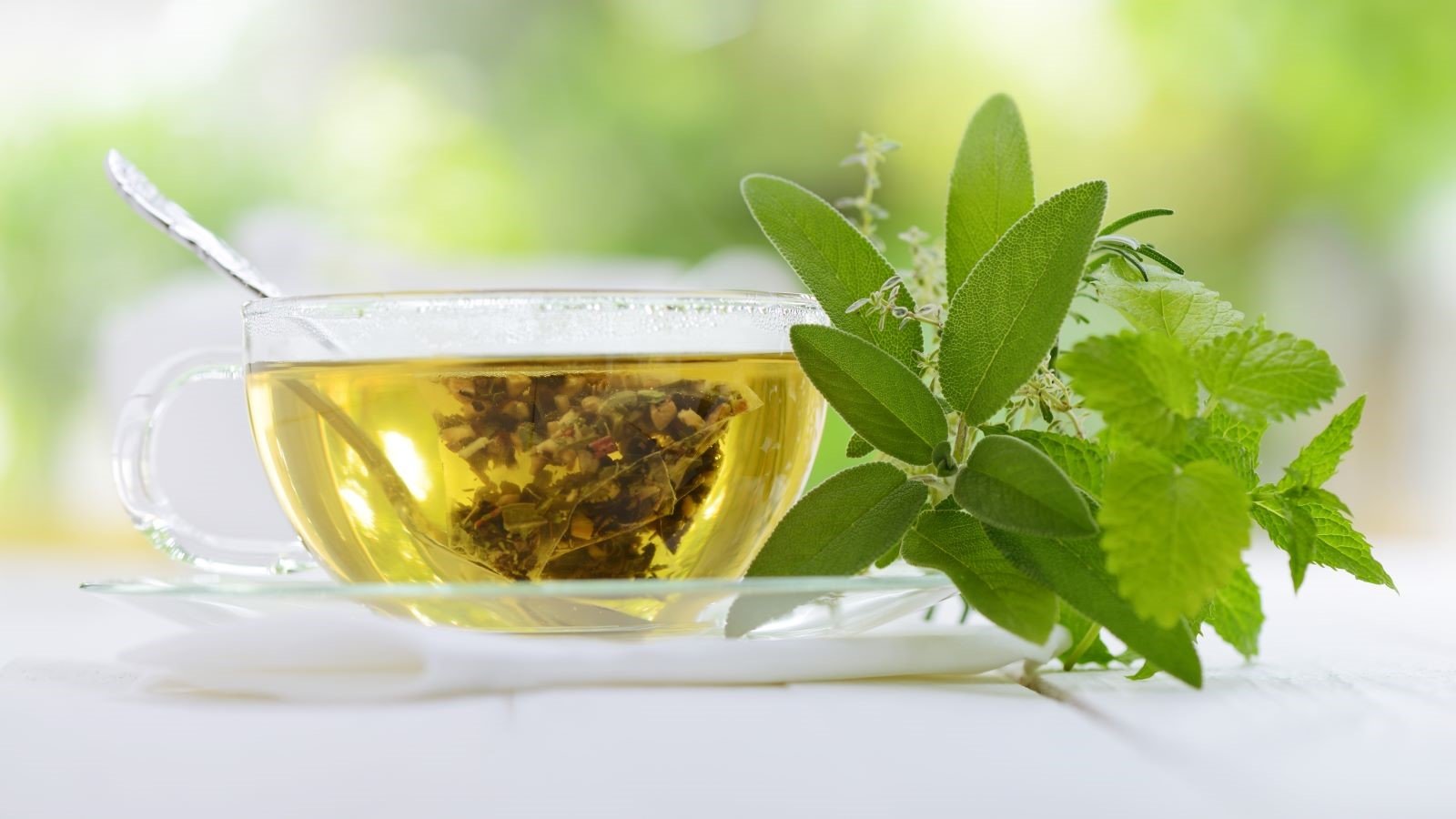
Green Tea (Camellia sinensis) is a potent brain-boosting beverage that may help slow the progression of Alzheimer’s disease due to its high concentration of antioxidants, particularly catechins and epigallocatechin gallate (EGCG). These compounds help protect brain cells from oxidative stress and inflammation, which are key contributors to neurodegeneration. Green tea also supports cognitive function by reducing beta-amyloid plaque buildup and promoting better synaptic connectivity, both of which are crucial in preventing memory loss. Additionally, L-theanine, an amino acid found in green tea, enhances relaxation and focus by modulating neurotransmitters like dopamine and serotonin. Regular consumption of green tea has been linked to improved memory, mental clarity, and a reduced risk of cognitive decline, making it a beneficial addition to Alzheimer’s prevention and management.

Gotu Kola (Centella Asiatica) is a revered brain tonic in traditional medicine, known for its potential to support cognitive health and protect against Alzheimer’s disease. Rich in triterpenoids and antioxidants, Gotu Kola helps protect brain cells from oxidative damage and reduces inflammation, both of which contribute to neurodegeneration. Research suggests it may enhance memory and learning by promoting blood circulation to the brain, boosting oxygen and nutrient delivery. Gotu Kola also encourages the growth and repair of nerve cells, supporting synaptic plasticity and potentially slowing cognitive decline. By balancing neurotransmitters and protecting against beta-amyloid toxicity, this herb offers gentle, long-term support for brain function and mental clarity.

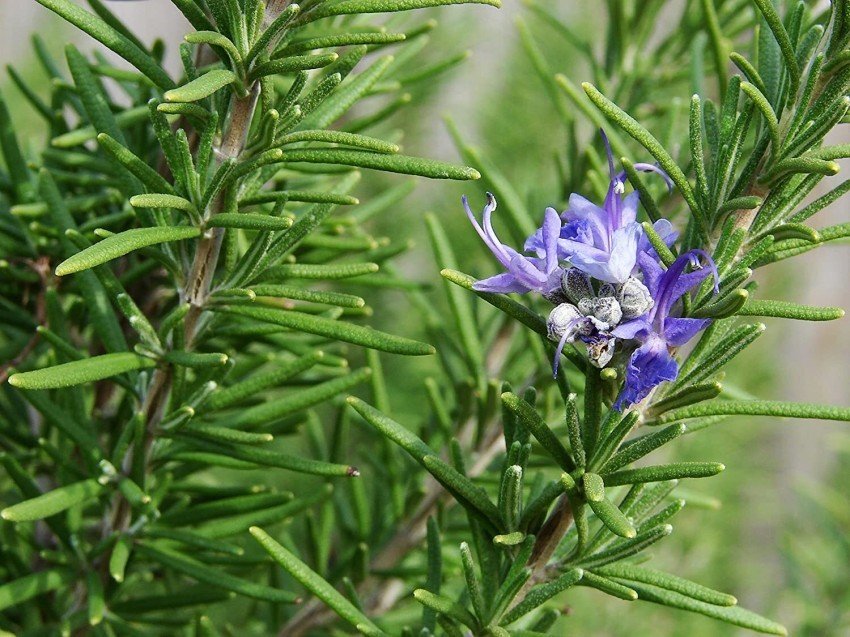
Rosemary (Rosmarinus officinalis) is a fragrant herb with potent brain-boosting properties that may help in managing Alzheimer’s disease. It contains compounds like rosmarinic acid and carnosic acid, which have strong antioxidant and anti-inflammatory effects, protecting brain cells from oxidative damage and reducing neuroinflammation. Rosemary is also known to inhibit acetylcholinesterase (AChE), the enzyme that breaks down acetylcholine — a neurotransmitter essential for memory and learning, which is often depleted in Alzheimer’s patients. Additionally, its aroma has been shown to enhance cognitive performance, improve mood, and stimulate mental clarity. Whether consumed as a tea, taken as a supplement, or used in aromatherapy, rosemary offers natural support for brain health and may help slow cognitive decline.

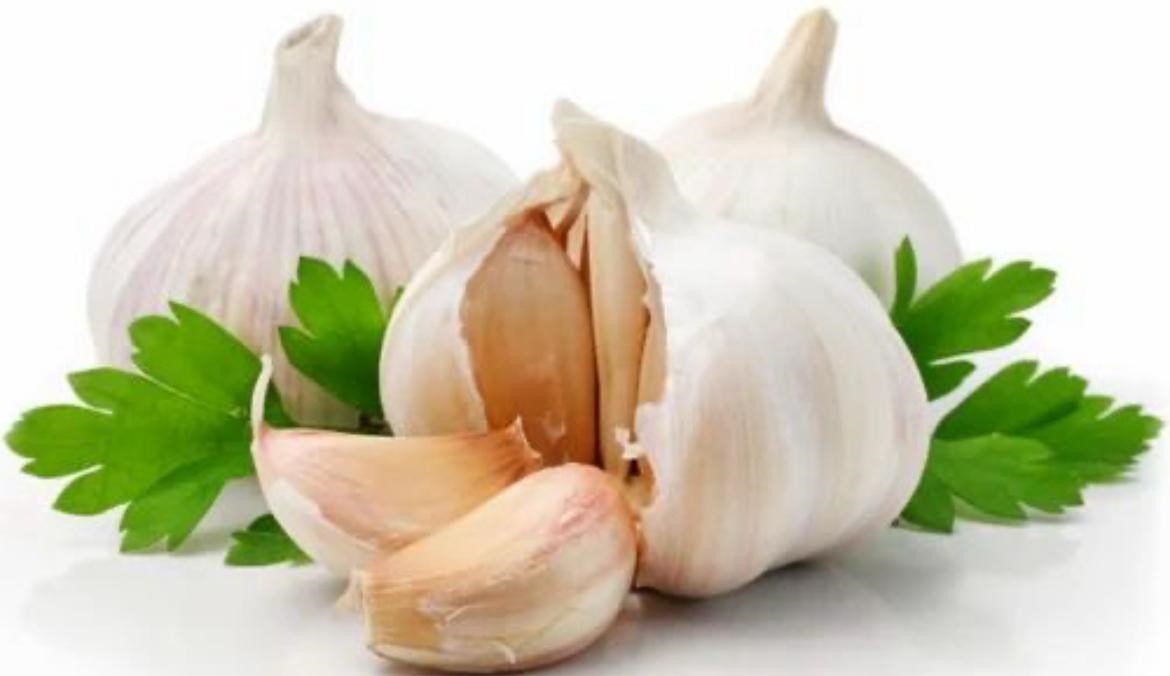
Garlic has long been valued for its natural antibiotic properties, largely due to its active compound, allicin. Research suggests that allicin can inhibit the growth of various bacteria, including Mycobacterium tuberculosis, by disrupting their cellular processes. Beyond its antimicrobial effects, garlic helps reduce lung inflammation, eases congestion, and supports detoxification. Regular consumption may enhance immunity, helping the body mount a stronger defense against TB while reducing oxidative stress and tissue damage caused by chronic infection.

Turmeric (Curcuma longa):- Turmeric is a powerful anti-inflammatory and antioxidant herb, with curcumin as its main bioactive compound. Curcumin can modulate inflammatory pathways, reducing excessive immune responses that can worsen TB-related lung damage. Its antioxidant properties help neutralize free radicals, protecting lung tissue and preventing fibrosis. Turmeric may also enhance macrophage activity — the immune cells responsible for engulfing TB bacteria — making it a valuable support for the body’s natural defense mechanisms. Pairing turmeric with black pepper (which contains piperine) enhances curcumin absorption, maximizing its therapeutic effects.

Indian Gooseberry (Emblica officinalis):- Also known as amla, Indian gooseberry is packed with vitamin C, a crucial nutrient for immune function. Vitamin C not only strengthens the body’s defense against infections but also acts as an antioxidant, reducing cellular damage caused by persistent inflammation. Amla’s adaptogenic properties help restore vitality, combat fatigue, and promote lung health, which is especially important for TB patients experiencing weakness and respiratory distress. Its natural rejuvenating effects make it a great addition to a holistic TB care regimen.

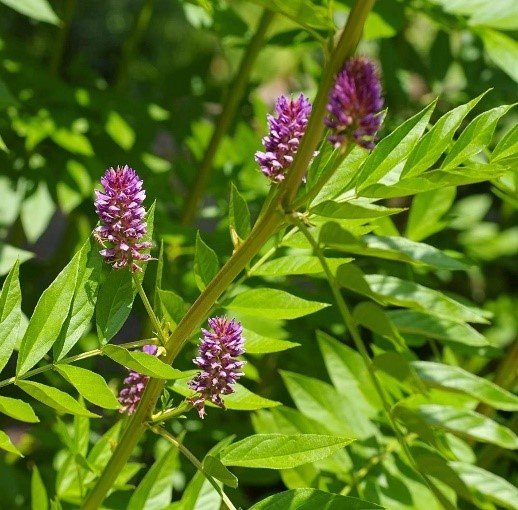
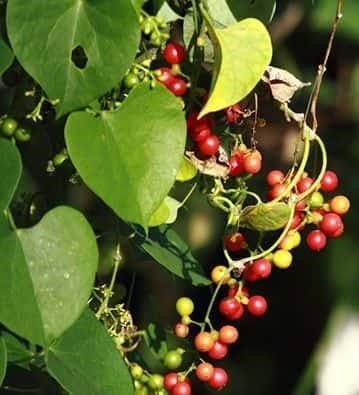
Licorice (Glycyrrhiza glabra):- Licorice root is a versatile herb with soothing, expectorant, and anti-inflammatory properties. It helps relieve cough, throat irritation, and bronchial inflammation, common symptoms in TB. The glycyrrhizin compound in licorice may also enhance the body’s cortisol activity, reducing inflammation without suppressing immunity. Additionally, licorice has mild antiviral and antibacterial effects, which can further support respiratory health. Its sweet, calming nature makes it ideal for soothing the discomfort associated with prolonged lung infections.

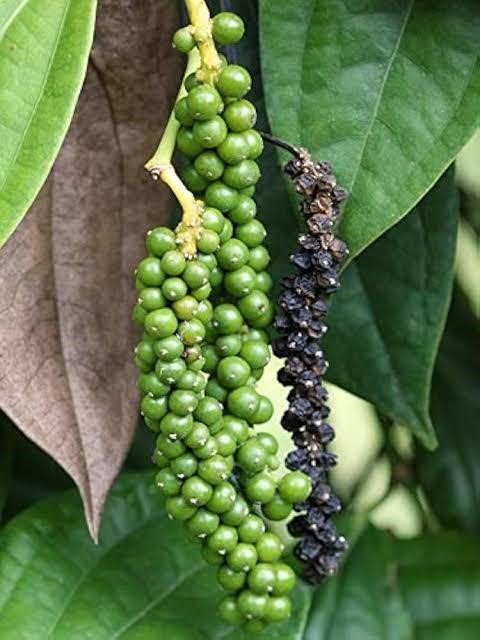
Black Pepper (Piper nigrum):- While black pepper might seem like a simple spice, it’s a powerhouse enhancer of herbal medicine. Piperine, its active compound, improves the bioavailability of various nutrients and phytochemicals — especially curcumin from turmeric — making herbal treatments more potent. Black pepper also has mild antimicrobial and anti-inflammatory properties, and it stimulates digestion and circulation, helping the body absorb and distribute nutrients more efficiently. This makes it a useful “helper herb” in TB care, amplifying the benefits of other therapeutic plants.

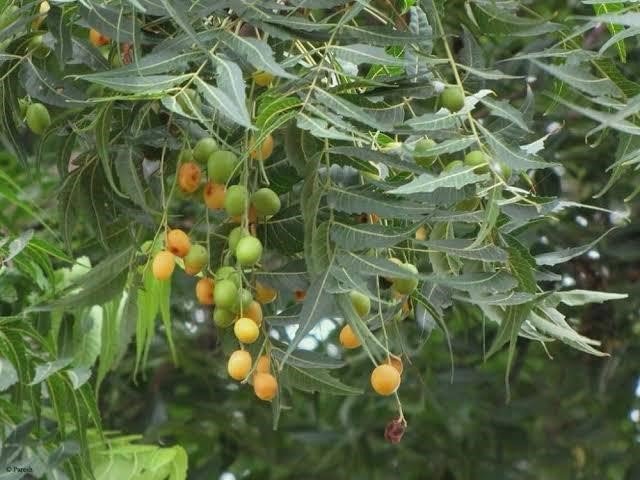
Neem (Azadirachta indica):- Neem is renowned for its potent antibacterial, antifungal, and antiviral properties. It helps purify the blood, eliminate toxins, and strengthen the immune system, making it a valuable ally in combating TB infections. Neem’s bioactive compounds, such as nimbin and azadirachtin, have been studied for their antimicrobial effects against a range of pathogens. It also supports lung health by reducing inflammation and promoting tissue repair. Neem’s detoxifying properties can help ease the side effects of long-term antibiotic use, supporting overall wellness during TB treatment.

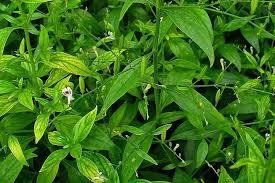
Andrographis (Andrographis paniculata):- Andrographis is a bitter herb with potent antibacterial, antiviral, and anti-inflammatory properties. Studies suggest that it can inhibit the replication of TB bacteria and enhance immune cell activity, helping the body fight off infection. Andrographis also reduces lung inflammation and alleviates symptoms like fever, cough, and respiratory distress. Its immune-boosting effects, combined with its ability to clear respiratory passages, make it a powerful herbal tool for supporting TB recovery alongside conventional treatments.